

If you want to grow on YouTube—without being on camera or spending hours editing—faceless channel automation is probably the best-kept secret of the last few years. But with new policies arriving in 2026, what actually counts as compliant faceless channel automation, and what advantages does it realistically unlock? Let’s demystify the term, break down the proven benefits, and show you how real creators are navigating this space right now.
What Is a Faceless Channel?
A faceless channel is a YouTube or social account where you—the creator—never appear on camera. No vlogs, no talking heads. Instead, content features voiceovers, on-screen text, stock footage, screen captures, or animations. Think explainer videos, listicles, news summaries, and storytelling—without showing your face.
- Voiceover + Stock Footage: Popular in top-ten lists, finance explainers, and “Did you know?” style channels.
- Animations: Used in storytelling, tutorials, and niche education.
- AI Visuals: Combining generative visuals with narration for trending or evergreen topics.
- Screen Recordings: Software tutorials, gaming highlights, app walkthroughs.
Faceless Channel Automation: Clear Definition
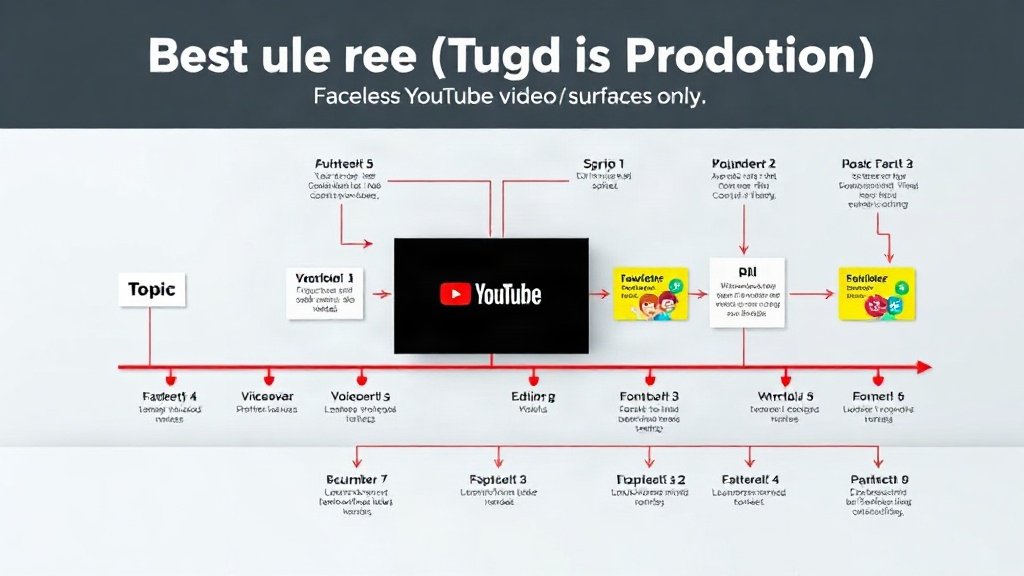
Faceless channel automation means using specialized tools and repeatable workflows to streamline every stage of running a faceless channel:
- Ideation & Research: Automated topic and keyword research for content ideas.
- Scripting: Generating or refining scripts with AI-assisted writing tools.
- Voiceover: Creating human-like audio narrations using AI voice tools.
- Asset Assembly: Matching stock, AI, or animation visuals to scripts—sometimes auto-generated.
- Editing: Auto-editing and scene transitions, captions, effects, or background music.
- Scheduling & Uploading: Automated posting, with pre-set publishing times and management dashboards.
Some creators run semi-automated operations, layering human oversight where needed (e.g. script review, thumbnail approval) for originality and quality. Others attempt full-on automation—minimal human touch beyond setup and QA.
Why Automate Faceless Channels?
In the right hands, faceless channel automation delivers five big advantages:
1. Lower Production Costs
No need for cameras, lighting, or studio space. AI editing and voiceover tools slash time and expenses. Instead of hiring a team or working full-time hours, one creator can operate several channels—sometimes for under $100/month in software costs.
2. Scalable Output
Automated workflows mean you can post more often—some channels upload 3–5+ times per week or even daily. This consistency is key for rapid audience growth and higher ad revenue opportunities.
3. Privacy and Anonymity
You never appear on camera. This appeals to creators in sensitive niches, those concerned about privacy, or teams running multiple channels behind the scenes.
4. Consistent Quality
With AI-driven video assembly and auto-editing, each video hits a base level of polish—no missed deadlines or inconsistent production values over time.
5. Potential for Rapid Monetization
If you focus on original commentary and add genuine value, automated faceless channels can still qualify for the YouTube Partner Program (YPP). With a scalable workflow, you can reach monetization thresholds faster (1,000 subscribers, 4,000 hours watch time) than traditional one-at-a-time production—if you comply with new rules.
But What About YouTube’s 2026 Monetization Policy Changes?
In July 2026, YouTube updated its Inauthentic Content Policy. Simply churning out repetitive content with generic AI voiceovers and reused stock footage—long the “automated” norm—no longer qualifies for monetization. To succeed (and get paid), you now need:
- Originality: Your channel must add commentary, storytelling, or unique analysis—not just recycling Wikipedia facts and royalty-free videos.
- Fresh Visuals: Re-used templates or carbon-copy assets will get flagged. Custom or creatively assembled visuals (including AI-generated ones, if unique) are encouraged.
- Human Oversight: Even the best workflows require judgment. Blend automation with real input at critical steps to ensure compliance and value.
Compliant vs. Risky Channels: Real Examples
- Compliant: Niche history channel using AI to script, voiceover, and assemble content—but with every script fact-checked, stories woven in, and custom visuals on each video.
- Risky: Pre-2025 “life hack” channel, mass-producing videos via text-to-speech and stock video montages, with barely edited scripts recycled from the web.
Automation makes it easy to scale, but originality is now the legal and revenue linchpin.

Pitfalls of Faceless Channel Automation (and How to Avoid Them)
If you’re considering automation, be aware of these common traps—and how to stay clear:
- Inauthentic Vibe: If your videos feel soulless or generic, viewers bounce and YouTube’s algorithm will throttle reach. Add commentary or distinctive narration.
- Copyright Issues: Don’t blindly reuse stock assets. Always check licensing and avoid popular, overused music or video loops.
- Policy Violations: Relying on full automation is tempting, but human oversight is essential for flagging off-brand or noncompliant content.
- Niche Saturation: Some topics are fiercely competitive—find micro-niches where your automation brings fresh value.
Bottom line: Use automation for efficiency, not as a shortcut to avoid originality or research.
How Platforms Like Vidquence Help
AI video creation platforms such as Vidquence let you turn scripts, prompts, or URLs into fully produced faceless videos—complete with voiceover, captions, and publishing features. The key: Make these tools part of a workflow where you layer in unique scripts, insightful narration, or tailored visuals. Automation magnifies your creative vision—it shouldn’t replace it entirely.
FAQ: Faceless Channel Automation
- Is faceless channel automation still allowed under YouTube’s new rules?
Yes, but you must ensure your videos are original, provide unique value, and do more than recycle stock visuals or generic scripts. - Can I really make money with automated faceless channels?
Many creators do and some scale to multiple channels, but expect to work on originality, niche selection, and compliance—especially for long-term stability. - What’s the minimum human input required for a compliant automated channel?
At a minimum: script review or editing, custom asset selection, final video checks, and engagement in comments/community areas. - What makes Vidquence helpful for faceless automation?
Vidquence removes technical barriers by assembling videos from prompts/scripts, with voiceovers and captions built in—so you can focus on storytelling and quality.
Conclusion: Automation is the Engine—Originality is the Fuel
Faceless channel automation isn’t about replacing people with bots. It’s about building efficient workflows so you can produce high-quality, original videos at scale—while retaining your privacy and creativity. With tools like Vidquence and an eye on YouTube’s evolving policies, you can grow, monetize, and future-proof your channel. Just remember: the key to sustainable success is combining automation’s speed with your unique perspective at every step.