
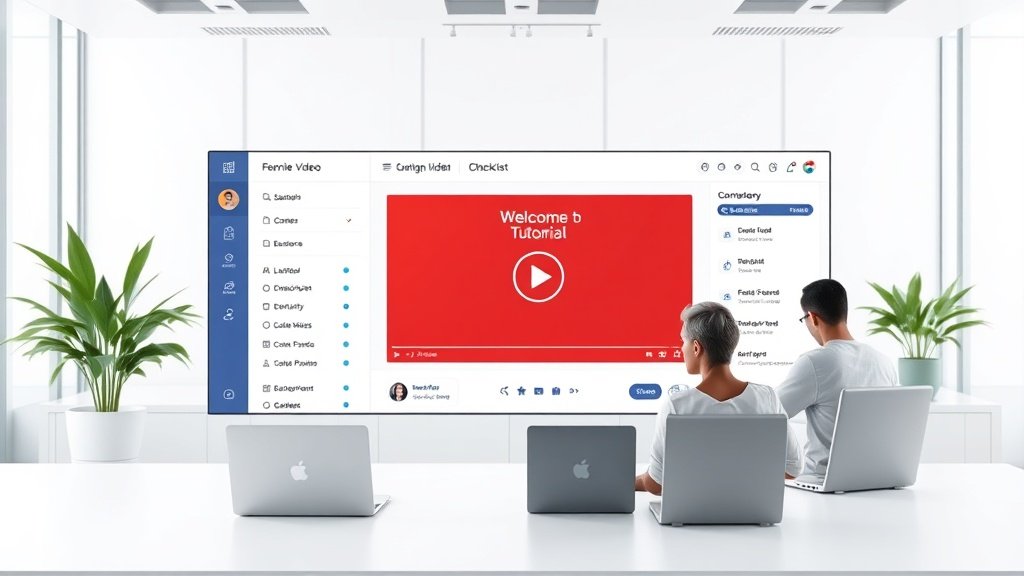
Quick onboarding is the gateway to happy SaaS customers and lower churn. But producing effective video guides is expensive and slow—unless you harness AI-generated video. In this guide, you’ll see how SaaS companies are using AI onboarding videos to slash costs, personalize at scale, and radically boost customer activation.
Why AI Video Is Replacing Traditional Onboarding Content
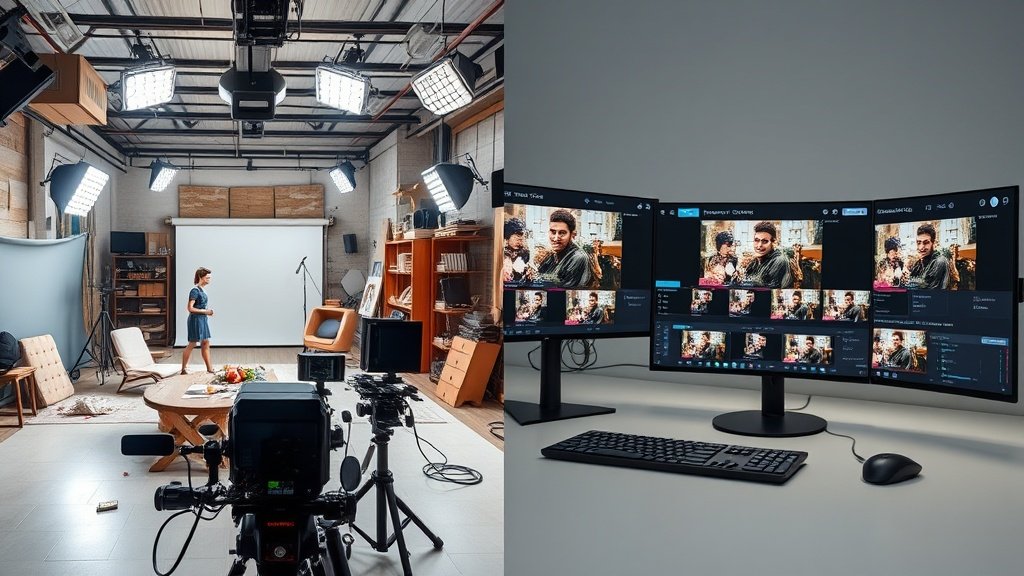
Traditional onboarding videos are costly, time-consuming, and hard to update. It can easily cost $15,000 a month for professional production, as TechFlow SaaS reported before switching to AI. Even simple updates require fresh shoots, editing, and long review cycles.
With AI onboarding videos for SaaS, teams can:
- Create engaging onboarding experiences in hours, not weeks
- Personalize training by role, plan, or workflow without ballooning costs
- Update content instantly as the product evolves
- Localize for international users at scale with minimal effort
Companies like Vidyard, HeyGen, PuppyDog, Synthesia, and VidifyAI have all launched AI-driven onboarding solutions to meet this demand.
Real Benefits: Concrete Numbers from SaaS Case Studies
- TechFlow SaaS: After switching to VidifyAI, cut production costs 85%, produced videos 10x faster, and boosted user engagement by 45%. They previously spent $15,000/month on traditional video.
- VidifyAI: Their clients saw up to 30% reduction in churn and 50% fewer support tickets by guiding users with AI-generated onboarding.
- Druva + Synthesia: Created over 200 training videos, moved review cycles from days to hours, and streamlined onboarding for global users.
- PuppyDog: Uses AI videos personalized by customer role, plan, and workflow to educate users without adding extra staff and reduce early customer churn.
The impact is clear: AI onboarding videos for SaaS mean less manual work, lower costs, and a direct hit to KPIs like activation and retention.
Where AI Video Makes the Biggest Impact in Your Onboarding Flow
Not every onboarding stage needs the same video approach. Here’s where AI-powered video can deliver measurable results:
- Welcome Video: A warm, branded introduction—even with an AI avatar or faceless explainer—helps humanize the product and set expectations.
- First Login / Setup Guides: Step-by-step walkthroughs (like those made with Vidyard or VidifyAI) accelerate time to first value by showing users exactly what to do, screen-by-screen.
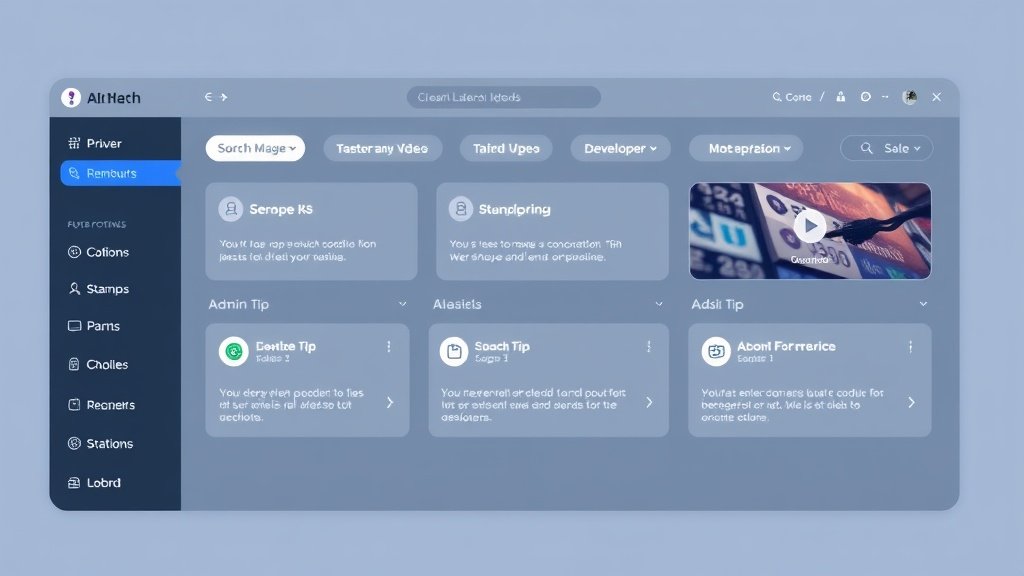
- Role-Based Training: Use tools like PuppyDog to deliver different onboarding flows depending on whether the user is an Admin, End User, Manager, or Developer—no manual editing needed.
- Feature Update Videos: AI makes it feasible to quickly create explainer videos for new features and product changes, supporting ongoing customer education.
- International Onboarding: Platforms like Vidyard and Synthesia support 25+ languages, so you can localize your onboarding journey for every market.
The best ROI often comes from targeting bottlenecks where users get stuck—use analytics to spot these high-friction moments.
Steps to Integrate AI Onboarding Videos into Your SaaS
1. Map Critical Onboarding Stages
Start by pinpointing your onboarding sequence: welcome, first login, product tour, setup, and first success milestones. See where users drop off or where support tickets spike.
2. Choose Onboarding Video Types
- Screen recordings for walkthroughs (Vidyard, VidifyAI)
- Avatar presenters for warm intros or explainers (HeyGen, Synthesia)
- Script-to-video explainers when you need to scale/translate fast (HeyGen, PuppyDog)
- Personalized videos based on user role or plan (PuppyDog)
3. Write Clear, Modular Scripts
Keep each video script focused on a single task or benefit. Use simple language, break information into short segments, and anticipate user questions. This makes edits and A/B testing much easier later.
4. Generate and Localize Video Content
Turn your scripts or product URLs into videos using your chosen platform. Most AI onboarding video solutions (like Vidyard and Synthesia) let you select languages, voices, and avatars. Test outputs for natural flow—HeyGen even offers automatic speech cleanup to remove awkward pauses in explainer clips.
5. Publish and Embed Everywhere Users Need Help
Embed videos directly inside your app’s onboarding flow, help centers, and emails. Place videos at activation choke points where new users typically get confused or stuck.
6. Analyze Impact and Iterate
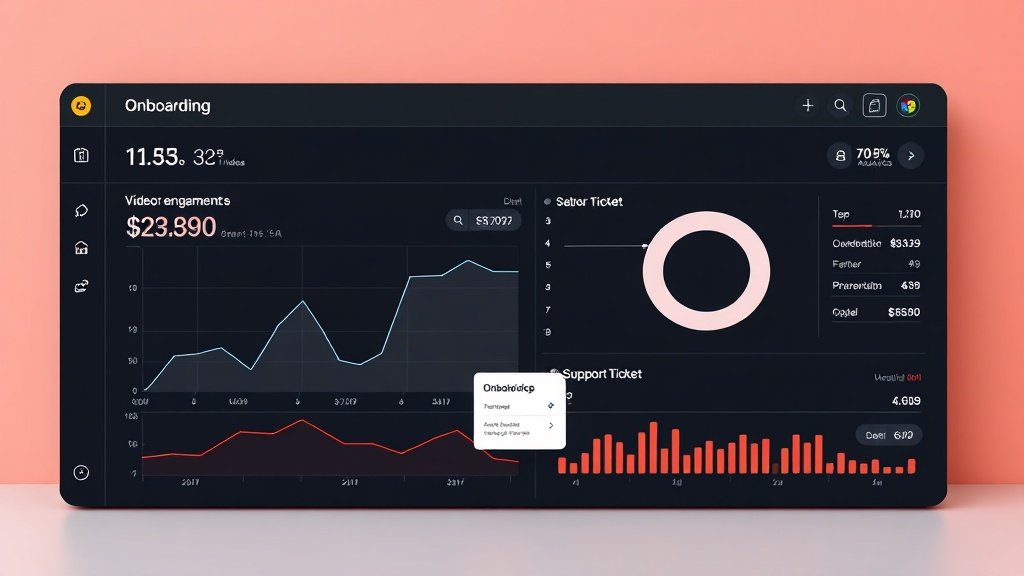
Track onboarding completion rates, feature adoption, support requests, and churn before and after rollout. Platforms like TechFlow SaaS use engagement analytics dashboards to monitor video effectiveness and refine their strategy.
Best Practices for Maximum Engagement
- Short and Specific: Aim for 1–2 minutes per topic. Break multi-step processes into a video series.
- Personalize Where Possible: Users respond better to onboarding matched to their job (e.g., Admin vs. User). PuppyDog and similar solutions make this fast.
- Offer Self-Paced Controls: Let viewers pause, skip, or replay sections—Vidyard and VidifyAI support chaptered videos and overlays.
- Use Captions: Many users watch on mute. Make sure captions are included for accessibility and clarity. Vidquence, for example, automatically captions every onboarding video it generates.
Which AI Video Platform Should You Use?
The best choice depends on:
- Workflow fit: Need instant script-to-video? Try HeyGen or Vidquence. Want branching, role-based flows? Look at PuppyDog.
- Localization needs: If you onboard globally, make sure your platform supports your key languages (Vidyard, Synthesia).
- Branding and style: Check output examples—do they match your brand tone? AI avatars and voice styles vary widely.
- Automation: If you want to publish onboarding videos to your help site or in-app automatically, Vidquence enables prompt-to-publish workflow with voiceover and captions included.
No matter your starting point, test with a single onboarding video first, then expand once you see ROI on engagement and support.
Frequently Asked Questions
What’s the fastest way to launch AI onboarding videos for my SaaS?
Draft a simple script or tutorial checklist for your key onboarding step, input it into an AI video tool like Vidquence or HeyGen, and test it in your app’s welcome flow. Measure engagement and iterate quickly.
Can AI-generated onboarding videos be personalized for each customer?
Yes. Platforms like PuppyDog support personalization by customer role, plan, or workflow, allowing you to scale targeted education without ballooning production costs or team size.
Will users care if presenter videos use AI avatars?
Research shows users respond to helpful, clear onboarding regardless of whether the presenter is real or virtual. Focus on clarity, brevity, and relevance; avatar-based videos work especially well in SaaS B2B contexts.
Are AI onboarding videos secure for sensitive SaaS workflows?
Most enterprise-focused AI video platforms offer private workspaces, SOC2 compliance, and secure publishing. Review each vendor’s security documentation to ensure fit for your SaaS environment.
Conclusion: AI Video Isn’t Just Faster—It’s Smarter Onboarding
Switching to AI onboarding videos is more than a productivity hack—it’s a proven strategy for driving faster product adoption, lower churn, and scalable customer success in SaaS. With the right approach, you can deliver tailored onboarding in every language, for every user segment, and update it instantly as your product grows. Try it for your highest friction onboarding step—and watch the numbers improve.